TPO Versus EPDM, How to Choose
For most Hobart commercial buildings, the single ply decision comes down to TPO or EPDM. Both are proven, dependable systems, but they are made differently and excel in different areas. Comparing them across the factors that matter helps you choose the right one for your building. Here is an honest look at how TPO and EPDM stack up.
Seam Strength Compared
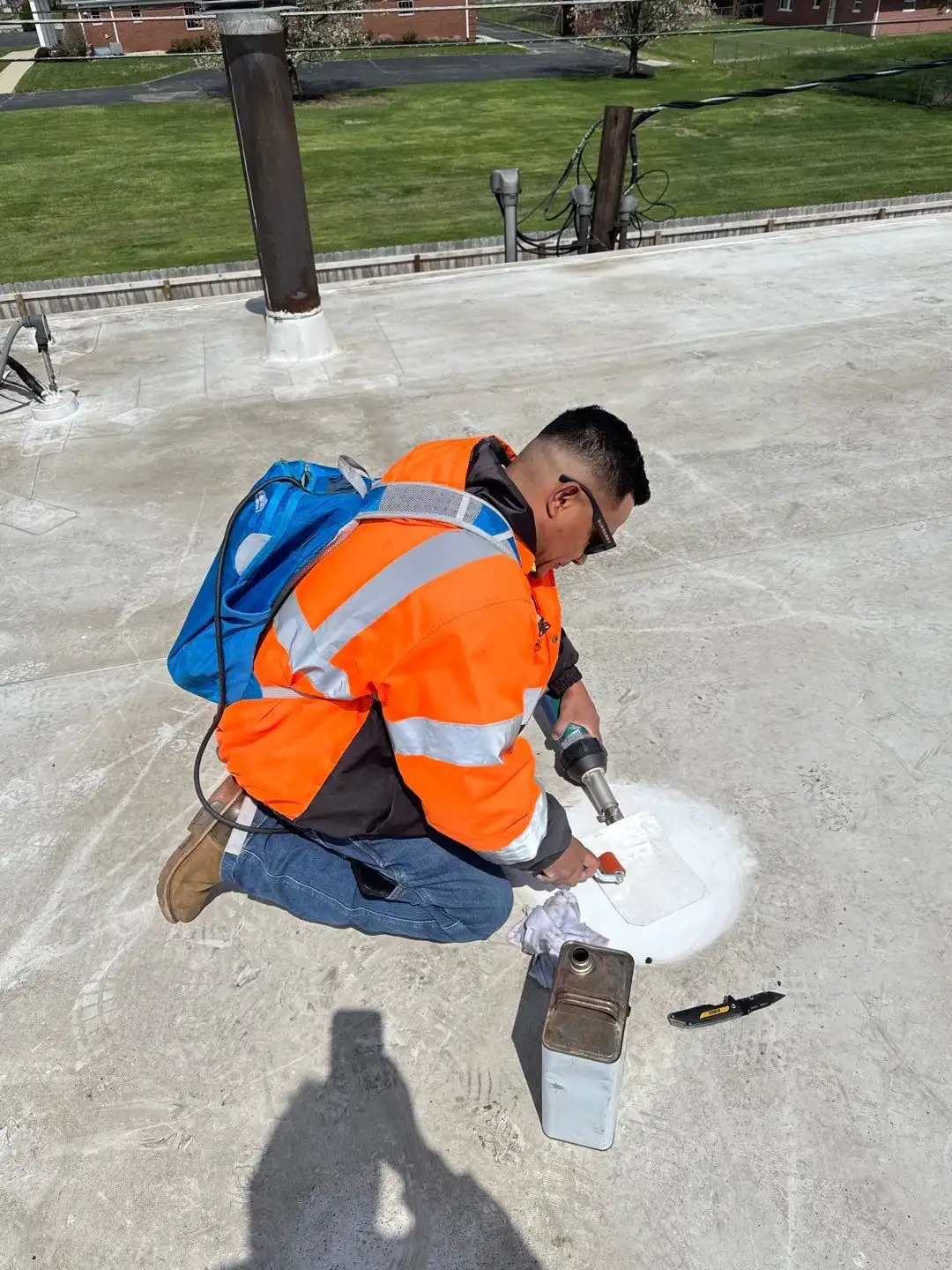
The two systems handle seams differently, which affects durability. TPO seams are heat welded, fusing the sheets into a continuous bond that does not rely on an adhesive that can dry out. EPDM seams are sealed with adhesives or specialized tape, which are reliable when done correctly but represent a different kind of bond. Welded thermoplastic seams are often seen as an advantage in long term leak resistance, though well installed EPDM seams perform well too. For a Hobart building, the seam method is one real distinction, and the quality of installation matters greatly for both. Either system depends on skilled seaming to stay watertight over the years.
Energy Performance Compared
Energy performance is one of the clearer differences between the two. TPO is typically white and reflective, bouncing solar heat away to help with cooling costs. EPDM is traditionally black and absorbs heat, though reflective EPDM options exist. For a Hobart building focused on reducing cooling loads through hot summers, TPO's reflective surface offers an advantage out of the box. EPDM can match it with a reflective version or coating, but the standard black membrane works differently. If energy efficiency is a priority, this difference matters, and it often tips buildings toward TPO unless other factors favor EPDM for the specific situation.
Durability and Longevity
Both systems are durable and can last well past two decades when installed and maintained properly, so neither is fragile. EPDM brings the longer track record, with decades of proven performance and a reputation for handling temperature swings and weather. TPO is newer but has established a strong record of its own. For a Hobart building, both offer the longevity a commercial roof needs, and the difference is more about EPDM's proven history versus TPO's combination of modern features. Quality installation and consistent maintenance affect longevity more than the choice between these two systems, since either can deliver a long service life when done right.
Cost Compared
Cost is often a deciding factor, and the two systems are generally competitive, both typically less expensive than PVC. As an approximate guide, installed TPO often runs in the range of roughly five to nine dollars or more per square foot, while EPDM frequently falls around four to eight dollars or more, though these figures are approximate and vary with the project. EPDM can sometimes come in a bit lower, while TPO adds the reflective surface in the bargain. For a Hobart building, the cost difference is usually modest, so the decision often hinges more on energy goals and conditions than on price alone. An accurate quote requires an assessment of your specific roof.
Matching the System to Your Building
The real lesson is that neither system is universally better, the right choice depends on your building, its conditions, and your priorities. A building focused on cooling costs may lean toward reflective TPO, while one valuing a proven track record at a competitive price may prefer EPDM. The building's use, its energy goals, and its budget all factor in. For a Hobart owner, the smart approach is choosing the system that fits your specific situation rather than defaulting to one or the other. A roof matched to its building performs and lasts, which is why this matching is worth getting right with good information.
Getting an Honest Recommendation
Because the right choice is building specific, an objective recommendation from a contractor who installs both systems is genuinely valuable. A contractor with no stake in pushing one membrane over the other can assess your building honestly and recommend what truly fits. That objectivity protects you from ending up with the wrong roof for your needs. For a Hobart building, Hobart Commercial Roofing installs and repairs both TPO and EPDM, so our recommendation reflects your building rather than a sales preference. We will tell you straight which system makes more sense for your conditions, since our goal is the right roof for you and the long term relationship that comes from it.
The Right Choice Depends on Your Building
Comparing TPO and EPDM across seams, energy performance, durability, and cost shows that both are strong systems with different advantages. TPO leads on reflectivity, EPDM on track record, and the two are competitive on cost and longevity. The right choice comes down to matching the system to your building, which an honest assessment makes clear on a Hobart roof.
It also helps to think about a commercial roof in terms of its whole life rather than just its purchase price. The upfront cost of single ply roofing is competitive, but the real value comes from how long the roof lasts and how few problems it causes along the way. A quality TPO or EPDM roof, installed well and maintained consistently, protects the building for well past two decades and, in the case of a reflective membrane, can lower cooling bills the whole time. Weighed against the repairs and early replacement a poor choice would bring, the right roof done right is the economical option. For a Hobart business, taking the long view leads to a better decision.
Get an Objective Recommendation From Hobart Commercial Roofing
Trying to choose between TPO and EPDM? Call Hobart Commercial Roofing at (765) 676-3491 for a free inspection and an honest recommendation. We install both, so we will tell you straight which one fits your Hobart building best, based on your conditions rather than what we want to sell.